

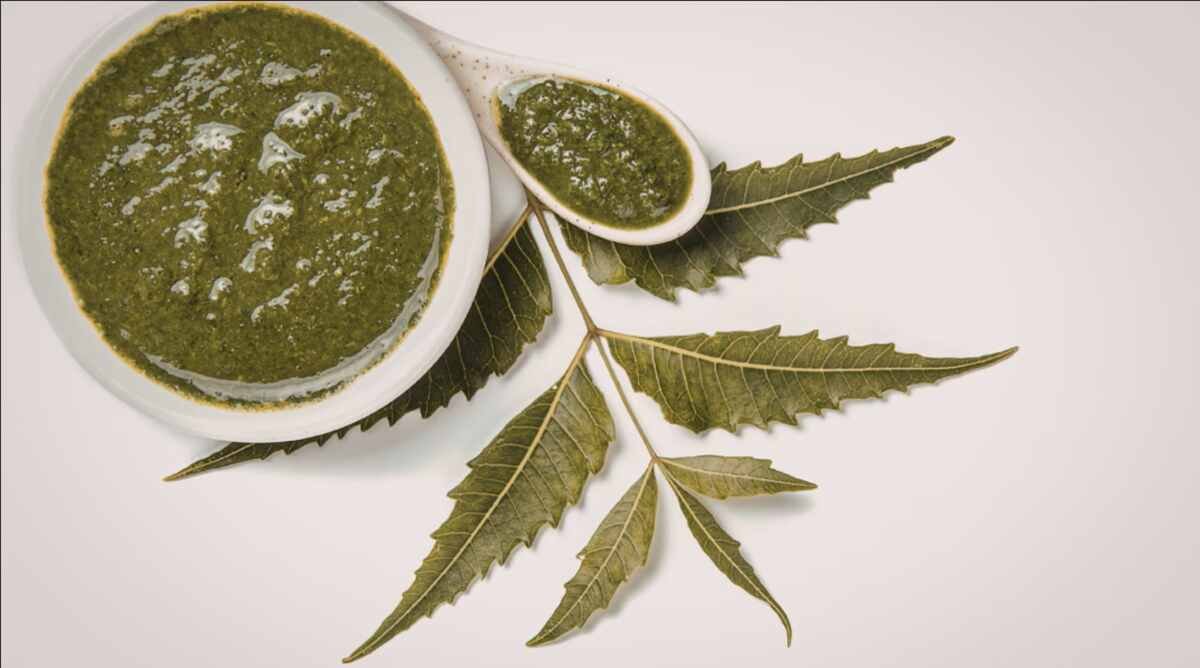
Looking for a simple homemade face wash using ingredients commonly found at home? Neem powder, turmeric and aloe vera gel are popular ingredients in traditional skincare routines. When used carefully, these ingredients can be incorporated into simple DIY skincare preparations.
Many people prefer homemade skincare because it allows them to choose their ingredients. However, natural ingredients are not automatically suitable for every skin type, and homemade mixtures are not a guaranteed solution for acne, pigmentation or other skin concerns.
If you want to try a neem-based facial cleanser, here are two easy recipes, along with instructions for use and important precautions to help protect your skin.
1. Homemade Neem Face Wash With Turmeric and Rose Water
Neem and turmeric are commonly used in traditional skincare, while rose water is often included in homemade beauty preparations. This recipe combines the three ingredients into a simple paste.
Ingredients Required
- 2 teaspoons of neem powder
- ¼ teaspoon of turmeric powder
- 1 teaspoon of rose water
- A little clean water, if needed
How to Prepare Neem Face Wash
- Add the neem powder and turmeric powder to a clean bowl.
- Pour in the rose water and mix thoroughly.
- Add a few drops of clean water if necessary to achieve a smooth, spreadable consistency.
- Prepare only a small quantity for immediate use.
Your homemade neem and turmeric mixture is ready to try. Avoid storing leftover preparations, as mixtures containing water without preservatives can become contaminated.
How to Use It
- Wet your face with lukewarm water.
- Apply a small amount of the mixture gently, avoiding the eyes and lips.
- If your skin tolerates the ingredients, massage lightly without scrubbing.
- Rinse thoroughly with clean water and pat your face dry with a soft towel.
- Apply a suitable moisturiser to help maintain your skin’s moisture.
Important: This mixture is better treated as an occasional rinse-off skincare preparation rather than a proven daily face wash. Leaving it on for 10–15 minutes, as some DIY recipes suggest, may increase the risk of irritation. Rinse it off promptly if you experience discomfort.
2. Homemade Neem Face Wash With Aloe Vera Gel
If you prefer a simpler recipe, neem powder can be combined with aloe vera gel. Aloe vera is commonly used in skincare products because of its moisturising properties, although individual reactions can vary.
Ingredients Required
- 1 teaspoon of neem powder
- 2 tablespoons of aloe vera gel
Choose a commercially prepared aloe vera gel intended for facial use, preferably one with a simple formulation and no added fragrance.
How to Prepare Neem and Aloe Vera Face Wash
- Place the aloe vera gel in a clean bowl.
- Add the neem powder gradually.
- Mix until the ingredients form a smooth paste.
- Prepare a fresh batch whenever you want to use it.
How to Use It
- Gently wet your face with clean water.
- Apply a small amount of the mixture to your skin, avoiding the eye area.
- Massage gently without scrubbing.
- Rinse thoroughly with clean water.
- Pat your face dry and apply moisturiser if needed.
Rather than automatically leaving this mixture on for 15–20 minutes, start with brief contact and rinse it off. Stop immediately if you notice burning, itching, redness or unusual dryness.
3. Potential Benefits of Neem in a Skincare Routine
Neem has a long history of use in traditional skincare. However, the benefits of homemade neem mixtures depend on the formulation, concentration and individual skin response.
Here are some important points to understand:
Supports a cleansing routine
A gentle cleanser can help remove sweat, surface dirt and excess oil. Neem powder may be included in a homemade preparation, but it has not been established as a substitute for a tested facial cleanser.
Commonly used in traditional skincare
Neem is traditionally associated with skin cleansing and care. However, evidence that a homemade neem face wash treats acne, removes pigmentation or produces a lasting glow is limited.
Can be combined with other skincare ingredients
Neem powder is sometimes mixed with turmeric or aloe vera gel. Combining ingredients does not automatically make a preparation more effective, and each ingredient can cause an unwanted skin reaction in some people.
For a consistent skincare routine, a gentle cleanser, moisturiser and broad-spectrum sunscreen are generally more dependable choices than relying on homemade mixtures alone.
4. Essential Precautions Before Using Homemade Neem Face Wash
Natural skincare ingredients can still irritate the skin. Follow these precautions before trying either recipe.
- Perform a patch test: Test a small amount on an inconspicuous area and observe for a reaction over 24–48 hours. A patch test reduces uncertainty but cannot guarantee that irritation will not occur.
- Avoid sensitive or broken skin: Do not apply the mixture to cuts, inflamed areas or skin that is already irritated.
- Keep it away from your eyes: Neem powder and turmeric can cause discomfort if they enter the eyes.
- Do not scrub aggressively: Powdered ingredients may be abrasive when rubbed against delicate facial skin.
- Use fresh preparations: Avoid storing homemade mixtures containing water or aloe vera without an appropriate preservative system.
- Stop if irritation develops: Rinse thoroughly and discontinue use if you experience redness, burning, itching or swelling.
If you have eczema, rosacea, persistent acne or very sensitive skin, consult a dermatologist before experimenting with homemade facial preparations.
5. Is Homemade Neem Face Wash Suitable for Everyday Use?
Not necessarily. Suitability depends on your skin type, the ingredients used and how your skin responds.
People with dry or sensitive skin may find powdered mixtures irritating, especially when they are rubbed onto the face or left on for extended periods. Those with oily or acne-prone skin may also react to particular ingredients.
For everyday cleansing, choose a gentle facial cleanser formulated for your skin type. A homemade neem preparation should not replace prescribed acne treatment or other medical skincare advice.
Frequently Asked Questions (FAQs)
1. How do you make neem face wash at home?
Mix neem powder with a small amount of rose water and clean water to form a paste, or combine neem powder with aloe vera gel. Prepare a fresh batch and use it cautiously.
2. Can neem face wash help with pimples?
Neem is traditionally used in skincare, but reliable evidence that homemade neem face wash treats acne is limited. Persistent or painful acne may require advice from a dermatologist.
3. Can I use neem and turmeric on my face every day?
Daily use is not recommended without knowing how your skin responds. Both ingredients can cause irritation in some people. Start cautiously and stop if discomfort develops.
4. Is neem and aloe vera face wash suitable for sensitive skin?
Not always. Neem powder and aloe vera products can trigger reactions in some individuals. People with sensitive skin should avoid experimenting with homemade preparations without professional guidance.
5. How long should homemade neem face wash stay on the face?
There is no established, evidence-based contact time for these homemade mixtures. Start with brief contact, rinse thoroughly and avoid leaving the preparation on for extended periods if irritation is a concern.
Conclusion
Homemade neem face wash can be a simple DIY skincare experiment for people interested in traditional ingredients. Neem powder can be combined with turmeric and rose water or with aloe vera gel to create two easy preparations.
However, natural ingredients are not risk-free, and these recipes have not been proven to deliver a lasting glow or treat specific skin conditions. Always patch-test new ingredients, avoid aggressive scrubbing and discontinue use if irritation occurs.
For everyday facial cleansing, a gentle, well-formulated cleanser suited to your skin type remains a reliable option.

