

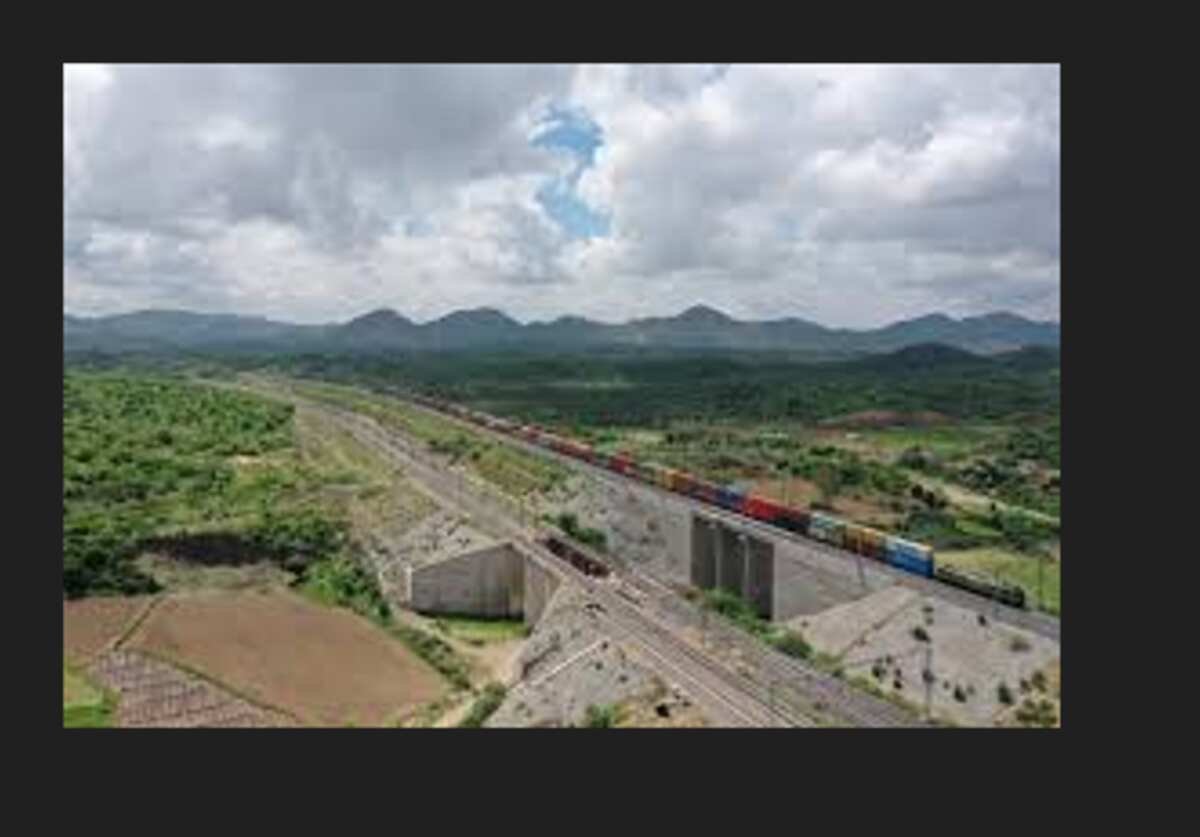
The Western Dedicated Freight Corridor is set to reduce freight transit time between northern India and key ports, while stakeholders are calling for further reforms to maximise potential cost savings.
Prime Minister Narendra Modi on Tuesday inaugurated the Western Dedicated Freight Corridor (DFC), a ₹73,000 crore project that has been in the planning and development stages for nearly two decades. Together, the Western and Eastern DFCs form a major dedicated freight rail network spanning nearly 2,800 km.
The Western DFC connects Dadri in Uttar Pradesh with Jawaharlal Nehru Port Authority (JNPA) in Maharashtra. The corridor is expected to reduce freight transit time by approximately 60% compared with the movement of goods on mixed-use Indian Railways routes.
According to Prime Minister Modi, the DFC could reduce a journey that takes around 30 hours by truck to approximately 10-12 hours.
Faster Freight Movement
Designed exclusively for freight trains, the Western DFC allows trains to operate at speeds of up to 100 kmph. Officials said freight trains can cover 100 km on the corridor in about two-and-a-half hours, compared with nearly six hours on conventional railway tracks.
The corridor connects northern and north-western industrial clusters with major ports, including Mundra, Kandla, Pipavav and JNPA. Its completion is expected to improve the movement of containers and other industrial goods between production centres and ports.
The Western DFC was largely completed by 2024, except for the final stretch connecting the corridor to JNPA in Maharashtra, which faced delays. Work on the remaining section was completed this year, with testing beginning on June 30.
The final stretch also enables JNPA to receive double-stacked containers directly from the dedicated freight corridor, similar to operations at ports such as Mundra and Pipavav.
Operators Seek Greater Cost Savings
Container train operators have welcomed the additional capacity and improved connectivity but have called for further regulatory changes to maximise the efficiency and cost savings offered by the corridor.
The maximum savings potential for container cargo is estimated at around 25%, while operators are currently realising savings of about 6-7%. Industry officials said regulations governing container weight and dimensions have contributed to the gap.
The Association of Container Train Operators has also sought a review of weight-based regulations to enable more efficient double-stacking operations and increase the savings that can be passed on to customers.
JNPA Faces Competition From Mundra
The new JNPA link could serve as an alternative to Gujarat’s Mundra port, which is around 300 km closer to northern India and currently handles a significant share of the region’s cargo.
The current turnaround time for a rake between Dadri and JNPA is estimated at around five to six days, compared with four to five days for Mundra.
Further improvements to feeder routes connecting ports with the DFC could also help minimise delays. Trains may have to pass through interchange points between conventional railway lines and dedicated freight tracks, which can increase overall transit time.
Single-stack trains can operate at speeds of up to 100 kmph, while double-stacked trains can run at around 65-70 kmph.
Two Corridors Create Freight Network
The Eastern DFC, completed in October 2023, connects coal-producing regions with key industrial centres and caters to industrial and energy demand.
Official estimates show that the combined Eastern and Western DFCs can handle approximately 480 freight trains per day and are already operating at around 435 trains per day.
The completion of the Western DFC is expected to strengthen India’s dedicated freight infrastructure and facilitate faster movement of goods, improving logistics efficiency and connectivity between industrial centres and ports.

