
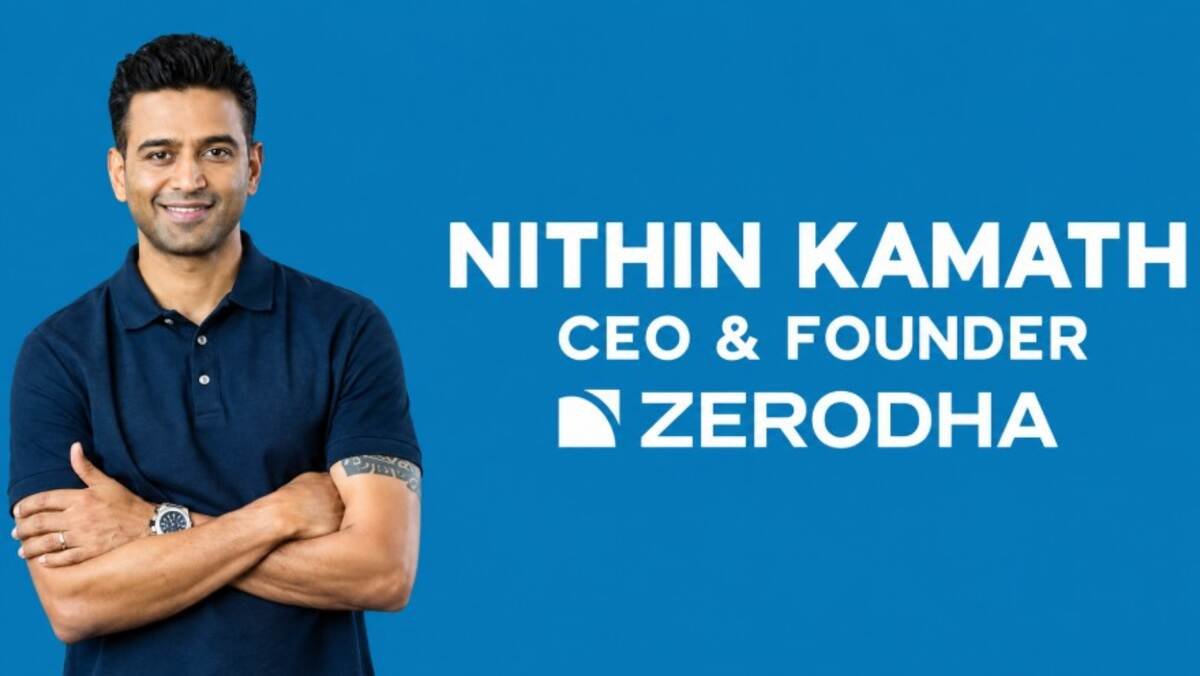
Zerodha founder and CEO Nithin Kamath has renewed his warning that regulatory risk is the single biggest threat to any regulated financial business, after the Insurance Regulatory and Development Authority of India (IRDAI) proposed sweeping changes to insurance commission rules. The reforms triggered a sharp selloff in insurance and fintech stocks, with PB Fintech and HDFC Life among the worst hit.
What Does IRDAI’s New Consultation Paper Propose?
On Wednesday, IRDAI issued a consultation paper titled ‘Recalibrating Economics of Insurance Distribution,’ laying out a comprehensive framework of reforms covering insurance distribution structure, expenses, commissions, market conduct, transparency, and the use of digital infrastructure.
The paper proposes different commission limits based on insurance type, product category, and distributor, with tied agents allowed to earn higher commissions than other categories of distribution entities.
Commission Limits and Expense-of-Management (EoM) Cuts
Alongside the proposed commission caps, IRDAI has recommended a phased reduction in expense-of-management (EoM) limits for insurers:
- Life insurers: EoM limit to fall to 15% of gross direct premium income within two years, and to 12.5% within five years.
- General insurers: EoM limit to decline to 25% within two years, and to 20% within five years.
Impact on NBFC Credit-Life Distribution and Loan Bundling
The proposed changes could particularly affect the NBFC credit-life distribution model, where insurance is sold alongside loans. According to the consultation paper, first-year commissions on loan-bundled life cover are proposed at just 2–2.5% for distribution entities — sharply down from effective payouts of about 45% currently.
IRDAI has also proposed prohibiting the compulsory bundling of insurance with loans, a move that could affect policy attachment rates across banks and NBFCs that currently rely on this channel for insurance distribution.
Nithin Kamath: “The Biggest Risk Is Regulatory Risk”
Reacting to IRDAI’s draft proposals, Kamath said, “I keep saying this: for any regulated business, the biggest risk is regulatory risk.” He added, “Today’s IRDAI draft on insurance commissions is a good reminder.”
A Parallel With the Broking Industry
Drawing a comparison with his own industry, Kamath said, “Broking is no different. A change in rules around retail F&O trading, how brokers can earn on client float, MTF requirements, or any of several other areas can change the economics of the business almost overnight.”
Why This Matters for Valuing Regulated Businesses
Kamath went on to explain the implications for investors: “So when valuing regulated businesses, you can’t just extrapolate current revenues and profits into the future. One regulation change can alter the economics and the stock price along with it.” He summed up the broader point for the fintech sector, saying, “Pretty much everything in fintech comes with this risk.”
Insurance and Fintech Stocks Slide on the IRDAI Draft
The consultation paper triggered an immediate reaction on Dalal Street, with insurance and fintech distribution stocks falling sharply.
Insurer Stocks Under Pressure
- Max Financial Services: down 9.81%
- HDFC Life Insurance Company: down 6.13%
- The New India Assurance Company: down 5.36%
- Niva Bupa Health Insurance Company: down 4.98%
- Medi Assist Healthcare Services: down 4.79%
- ICICI Prudential Life Insurance Company: down 4.23%
The BSE Insurance index itself fell 2.20% to close at 1,481.96.
Fintech Distribution Platforms Hit Hardest
Among fintech firms with insurance distribution exposure, PB Fintech shares crashed 35.98%, while Turtlemint Fintech Solutions tumbled 20%.
Commenting on the broader market impact, Hariselvan Radhakrishnan, Founder & CEO of HST Wealth, said, “The domestic decline was amplified by the IRDAI consultation paper proposing tighter limits on insurance commissions, distribution expenses and loan-linked insurance practices.”
He added, “The potential pressure on bancassurance fees triggered heavy selling across insurers, distribution platforms and exposed banks and NBFCs, pushing Bank Nifty below 56,000 and extending the damage to the broader benchmarks.”
What Comes Next
IRDAI’s consultation paper is currently in the proposal stage, meaning the final commission caps, EoM limits, and bundling restrictions could still be revised before implementation. However, the market reaction underscores Kamath’s broader point: for insurers, brokers, NBFCs, and fintech distribution platforms alike, regulatory shifts — not just competitive or macroeconomic factors — can reshape business economics almost overnight.
Disclaimer: We advise investors to check with certified experts before making any investment decisions.

