

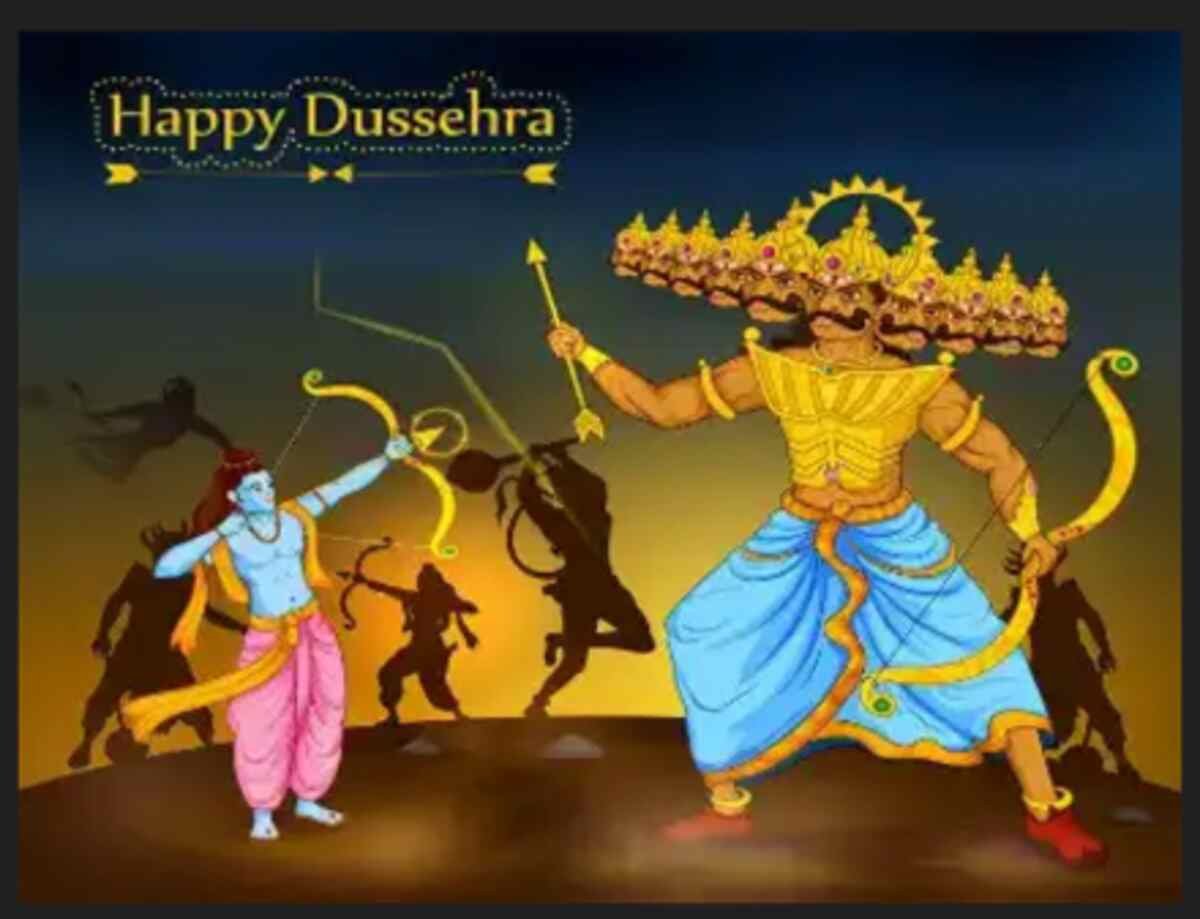
New Delhi: Dussehra, also known as Vijayadashami, is one of India’s most significant festivals, symbolising the victory of good over evil. Celebrated at the end of Navratri, the festival brings communities together through religious rituals, grand Ramlila performances, cultural programmes and spectacular celebrations.
Although the festival is widely associated with the burning of Ravana’s effigies, Dussehra traditions vary considerably across India. From the distinctive tribal rituals of Bastar in Chhattisgarh to the magnificent Durga Puja celebrations in Kolkata and the traditional festivities of Kullu in Himachal Pradesh, each destination offers a unique cultural experience.
These celebrations attract devotees, domestic travellers and international tourists who want to experience India’s rich traditions. If you are looking for famous places to witness Dussehra 2026 celebrations, here are five destinations known for their distinctive customs and festive atmosphere.
1. Bastar, Chhattisgarh: A Dussehra Festival Like No Other
Bastar Dussehra is one of India’s most distinctive and longest-running festival celebrations. Unlike the traditional Dussehra festivities centred on the burning of Ravana’s effigy, Bastar Dussehra is deeply connected with the worship of local deities and the cultural traditions of tribal communities.
The celebrations traditionally extend over several weeks and can last for around 75 days, making the festival exceptional in its scale and duration. The 2026 celebrations have been described as extending to 107 days.
According to the festival schedule provided, Bastar Dussehra began on July 17 with the Path Jatra ritual. Chariot construction commenced on September 27 with the Deri Gadai ritual, while the Kachnagadi ritual took place on October 14. This ceremony includes special worship associated with Kachna Gudi Devi.
The festival features elaborate rituals, traditional processions, community participation and ceremonial chariots. Its strong connection with local beliefs and indigenous culture makes Bastar an important destination for travellers interested in India’s diverse festival traditions.
2. Kolkata, West Bengal: Grand Durga Puja Celebrations
Kolkata is among India’s most celebrated destinations during the Navratri and Vijayadashami period. In West Bengal, the festivities are closely associated with Durga Puja, when beautifully decorated pandals, artistic installations and elaborate idols of Goddess Durga transform the city.
Every year, organisers create pandals inspired by different themes, combining traditional craftsmanship with contemporary art and design. Devotees and visitors from across India and abroad explore these installations, attend religious ceremonies and experience the city’s vibrant festive atmosphere.
One of the most recognisable traditions on the final day of Durga Puja is Sindoor Khela. Married women traditionally apply vermilion to Goddess Durga and then exchange sindoor with one another, often accompanied by sweets and festive greetings. The ritual marks the ceremonial farewell to the Goddess as the celebrations draw to a close.
Durga idol immersion ceremonies bring the festival to its conclusion. For visitors seeking a combination of art, devotion, culture and community celebrations, Kolkata remains one of India’s most memorable festive destinations.
3. Varanasi, Uttar Pradesh: Experience the Magic of Ramlila
Varanasi, one of India’s most historic spiritual cities, is renowned for its traditional Ramlila performances during the Dussehra season. These dramatic presentations bring episodes from the Ramayana to life, depicting Lord Rama’s journey, the abduction of Sita, the battle against Ravana and the ultimate victory of good over evil.
Performers portray important characters from the epic, while elaborate sets and traditional costumes help recreate locations associated with the story, including Ayodhya, Lanka and Ashoka Vatika.
Ramlila performances attract devotees and spectators who gather to witness these religious and cultural events. In several parts of the city, Dussehra celebrations also include the burning of effigies of Ravana, Kumbhakarna and Meghnad, symbolising the triumph of righteousness.
The combination of religious traditions, theatrical performances and festive gatherings makes Varanasi a significant destination for experiencing the cultural importance of Dussehra.
4. Ramlila Maidan, Delhi: Witness the Traditional Burning of Ravana
Delhi celebrates Dussehra with public gatherings, religious performances and the traditional burning of Ravana’s effigy. Ramlila Maidan in Old Delhi is among the well-known locations associated with these festivities.
Ramlila performances organised during the festival recount the story of Lord Rama and his battle against Ravana. On Vijayadashami, the burning of the effigies of Ravana, Kumbhakarna and Meghnad serves as a symbolic reminder of the victory of good over evil.
The celebrations often feature festive fairs, food stalls, family activities and cultural programmes, attracting visitors from different parts of the National Capital Region and beyond.
For families and travellers who want to experience the traditional North Indian style of Dussehra, Delhi offers a lively atmosphere filled with religious devotion and community celebrations. Visitors should check local event announcements for the confirmed programme, timings and arrangements for 2026.
5. Kullu, Himachal Pradesh: A Grand Gathering of Gods and Goddesses
Kullu Dussehra is internationally recognised for its distinctive religious traditions and spectacular processions. Unlike many other parts of India, where Dussehra festivities conclude on Vijayadashami, the celebrations in Kullu traditionally begin on that day and continue for several days.
Historical accounts trace the festival’s origins to 1660, during the reign of Raja Jagat Singh. The festival is closely associated with Lord Raghunath, the presiding deity of Kullu’s Dussehra celebrations.
A major highlight is the Rath Yatra, during which the idol of Lord Raghunath is taken out in a ceremonial procession. Deities from surrounding villages are also brought to the festival, creating a remarkable gathering that reflects the region’s religious heritage.
The event is often described as a meeting of local deities, with participating communities bringing their traditional palanquins and ceremonial processions to the celebration. These customs distinguish Kullu Dussehra from the effigy-burning traditions commonly seen elsewhere in India.
The festival attracts visitors interested in Himachal Pradesh’s cultural heritage, traditional music, religious ceremonies and scenic surroundings. It offers a distinctive opportunity to witness a centuries-old celebration that continues to play an important role in local community life.
Why Is Dussehra Celebrated Differently Across India?
Dussehra reflects India’s cultural and religious diversity. In many regions, the festival celebrates Lord Rama’s victory over Ravana, while in others it is associated with Goddess Durga’s triumph over Mahishasura.
Regional customs have developed over generations, shaped by local histories, religious beliefs and community traditions. Bastar’s extended ceremonial celebrations, Kolkata’s Durga Puja pandals, Varanasi’s Ramlila performances, Delhi’s Ravana effigy burning and Kullu’s gathering of local deities illustrate the many ways the festival is observed.
Dussehra 2026: Which Destination Should You Visit?
The best destination depends on the experience you want. Bastar is ideal for discovering distinctive tribal traditions, Kolkata for artistic Durga Puja celebrations, Varanasi for traditional Ramlila, Delhi for large public festivities and Kullu for its celebrated religious processions.
Before travelling, visitors should confirm the official 2026 festival schedule, local event timings, accommodation availability and transport arrangements.
From elaborate rituals and dramatic performances to colourful processions and community gatherings, Dussehra 2026 offers an opportunity to discover the cultural richness of India. These five destinations demonstrate how one festival can bring people together while preserving the unique traditions of different regions.

